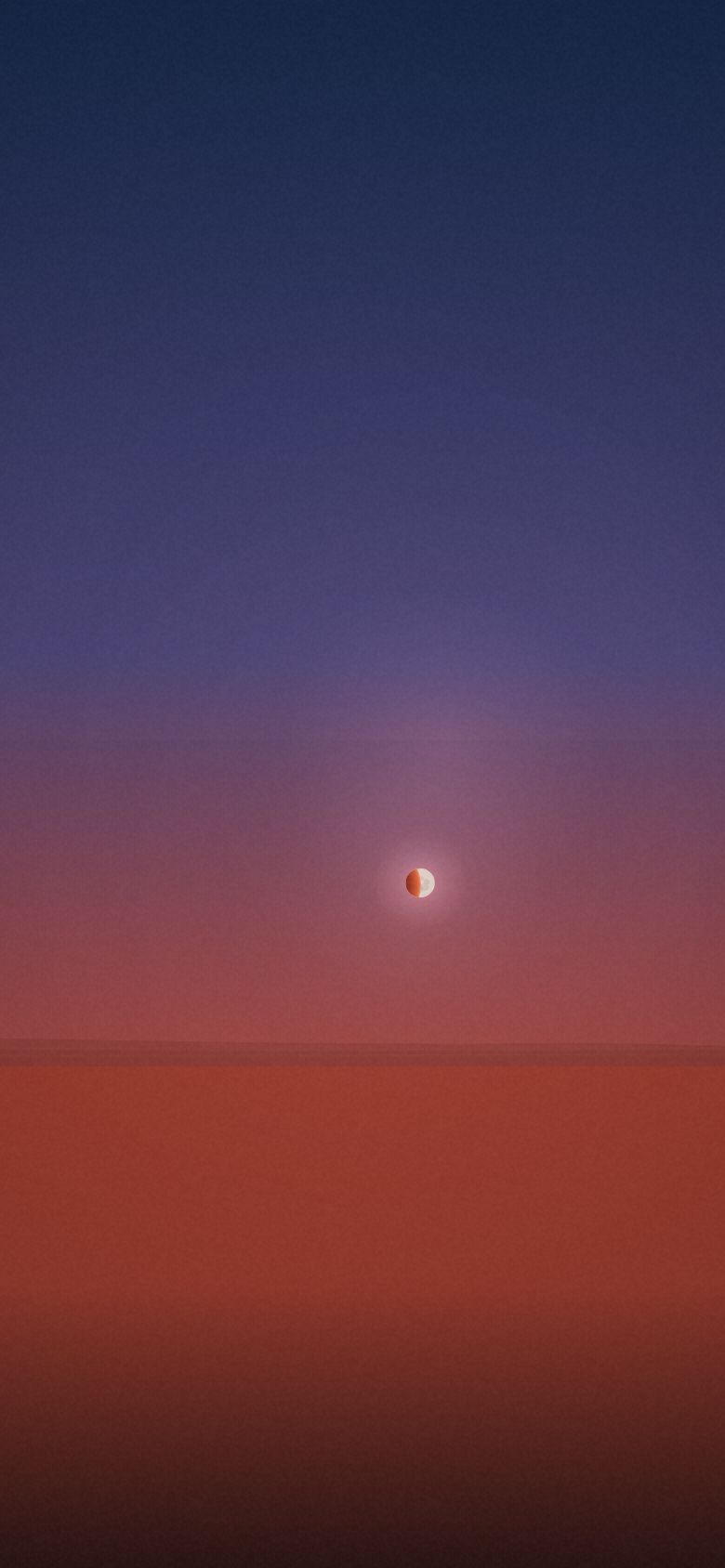
Moonrise Eclipse
The 31 December 2028 lunar eclipse from High Atlas, Morocco — 8 vantage points, ranked.
- Top seat
- 76/100Agafay Desert Rim
- Clearest odds
- 84%Aït Benhaddou
- Darkest sky
- B2Oukaïmeden Plateau
- Highest seat
- 2,600mOukaïmeden Plateau
Takes place on 31 December 2028. One chance, one evening — the seat decision is the whole plan.
Why the seat matters
Morocco does not get this eclipse from the beginning: greatest eclipse happens while the Moon is still below the horizon, and what rises over the Atlas is a Moon already deep in the umbra, climbing out of the shadow as it climbs out of the mountains. That puts the whole show between two and fifteen degrees of altitude, where haze is thickest and every ridge to the east is fatal. This is the one seat decision in the programme that is purely about what is in the way.
- Season
- One evening
- Best months
- A single evening — the last of the year
- Cadence
- A specific, predictable event.
- Base
- Marrakech
Dataset note. Contact times are modelled approximations for the simulator. This is a real total lunar eclipse on a real date, but from Morocco totality itself is below the horizon — what this show renders is the umbral partial phase at moonrise, which is what that longitude actually gets.
Every seat, ranked
Seat fit is the simulator’s own score — darkness, open horizon, historical clear-sky odds, altitude and reachability, weighted for what this show cares about. It ranks seats against each other; it is not a forecast for any night. Tap a seat for the full card.
-
01
Agafay Desert Rim
Front row · 31.446°N 8.129°W 76 Bortle4Clear82%Blocked4%Seat fit 76/100 — Strong seat. Weakest link: altitude.
A stone desert with a four-percent eastern horizon — you will catch the copper moon within a minute of it clearing the ground. Camp lights are the only threat.
- Elevation
- 620 m
- Bortle class
- 4
- Sky blocked
- 4%
- Historically clear
- 82%
- Getting there
- 45 min drive + 6 min hike
- Facing
- 64°
- Facilities
- camps, toilets at camps, track driving
-
02
Lake Takerkoust
Front row · 31.356°N 8.133°W 73 Bortle4Clear80%Blocked8%Seat fit 73/100 — Strong seat. Weakest link: altitude.
Water in the foreground and the Atlas as a backdrop: the eclipsed moon doubles in the lake. Slightly more obstruction than Agafay for a much better picture.
- Elevation
- 630 m
- Bortle class
- 4
- Sky blocked
- 8%
- Historically clear
- 80%
- Getting there
- 55 min drive + 3 min hike
- Facing
- 68°
- Facilities
- lakeside guesthouses, restaurants, parking
-
03
Oukaïmeden Plateau
Front row · 31.206°N 7.866°W 73 Bortle2Clear74%Blocked16%Seat fit 73/100 — Strong seat. Weakest link: open sky.
Observatory-grade air at 2,600 m. The problem is that the High Atlas is east of you and the eclipsed moon rises straight into it.
- Elevation
- 2,600 m
- Bortle class
- 2
- Sky blocked
- 16%
- Historically clear
- 74%
- Getting there
- 1 h 45 min drive + 10 min hike
- Facing
- 66°
- Facilities
- observatory road, refuges, no fuel above Ourika
-
04
Aït Benhaddou
Mezzanine · 31.047°N 7.131°W 68 Bortle3Clear84%Blocked12%Seat fit 68/100 — Strong seat. Weakest link: reachability.
The driest side of the range and a thousand-year-old ksar to put under the moon. It is three hours over a pass that may be shut.
- Elevation
- 1,300 m
- Bortle class
- 3
- Sky blocked
- 12%
- Historically clear
- 84%
- Getting there
- 3 h 10 min drive + 12 min hike
- Facing
- 67°
- Facilities
- village, hotels, restaurants, parking
-
05
Marrakech Palmeraie
Balcony · 31.672°N 7.956°W 65 Bortle6Clear83%Blocked18%Seat fit 65/100 — Strong seat. Weakest link: open sky.
Palms, a warm room, and twenty minutes of driving. A totally eclipsed moon is faint — city glow costs you the deep colour, not the event.
- Elevation
- 480 m
- Bortle class
- 6
- Sky blocked
- 18%
- Historically clear
- 83%
- Getting there
- 20 min drive
- Facing
- 65°
- Facilities
- hotels, everything, lit roads
-
06
Tizi n'Tichka Pass
Mezzanine · 31.296°N 7.370°W 65 Bortle3Clear70%Blocked21%Seat fit 65/100 — Strong seat. Weakest link: open sky.
A 2,260 m pass you can drive over with cafes at the top. Ridge lines block a fifth of the sky and winter closures are decided the same morning.
- Elevation
- 2,260 m
- Bortle class
- 3
- Sky blocked
- 21%
- Historically clear
- 70%
- Getting there
- 2 h 10 min drive
- Facing
- 70°
- Facilities
- pass lay-bys, cafes, fuel at Taddert
-
07
Ourika Valley · Setti Fatma
Mezzanine · 31.224°N 7.690°W 57 Bortle3Clear72%Blocked34%Seat fit 57/100 — Workable compromise. Open sky is what you are paying.
Beautiful, close, and the worst seat in the house for this particular show: a third of your sky is valley wall, exactly where the moon comes up.
- Elevation
- 1,500 m
- Bortle class
- 3
- Sky blocked
- 34%
- Historically clear
- 72%
- Getting there
- 1 h 15 min drive + 5 min hike
- Facing
- 72°
- Facilities
- guesthouses, cafes, parking
-
08
Jemaa el-Fnaa Rooftop
Balcony · 31.626°N 7.989°W 55 Bortle8Clear83%Blocked30%Seat fit 55/100 — Workable compromise. Open sky is what you are paying.
A mint tea, a terrace, and the Koutoubia in frame. Bortle 8 plus thirty percent rooftop obstruction: you will see it, but you will not see the colour.
- Elevation
- 460 m
- Bortle class
- 8
- Sky blocked
- 30%
- Historically clear
- 83%
- Getting there
- no drive
- Facing
- 63°
- Facilities
- cafes, rooftop terraces, everything
What is actually happening
The Moon passes through Earth's umbra and is lit only by sunlight refracted through the whole rim of our atmosphere — every sunrise and sunset on Earth at once, projected onto a rock 384,000 km away. Rayleigh scattering strips the blue out on the way through, so what lands is copper red. The exact shade depends on how much dust and volcanic aerosol is in the stratosphere that year, which is why no two total lunar eclipses look the same.
Other shows
 Aurora BorealisLofoten Islands, Norway
 Aurora AustralisTasmania, Australia
 Totality · 12 August 2026Northern Spain
 The Perseid MaximumColorado Plateau, USA
 The Galactic CoreAtacama Desert, Chile
 The Glowing TideJervis Bay, Australia
 Silver CloudsNorthumberland & the Scottish Borders
 The MoonbowVictoria Falls, Zambia & Zimbabwe
 The Long TailLa Palma, Canary Islands
 Fire on the HorizonMount Etna, Sicily
 Lenticular AlpenglowAoraki / Mount Cook, New Zealand
 The AnvilSonoran Desert, Arizona
 The MurmurationSomerset Levels, England
Front Row is a planning simulator on a curated dataset. Every place and coordinate is real; elevation, Bortle class, horizon obstruction and cloud odds are researched estimates for the site and season — climatology and site character, not a forecast. Background skies are rendered by the simulator, not photographed. Verify real conditions and access with an authoritative local source before you travel.
Open the simulator · All seat guides · Part of Rarest World